THE NEW SCHOOL OF HARD ROCKS
I spent two years attempting The Singularity.
I often fell on the same move due to a lack of understanding. The whole process was confusing. How could a ladder of sloping edges be this complex, and demand perfect execution?
I found climbing in high school and immediately knew I wanted to pursue it, more specifically bouldering outside. The answer of where to move after high school was obvious, so in 2022 I pointed my van west and ended up in Squamish.
The forest below the Stawamus Chief is littered with boulders of varying size and shape, often hosting large striking features as opposed to steep faces with small holds. Unlike popular areas like Hueco Tanks, pure power and finger strength is not enough to move over the boulders in Squamish.
Local climbers here have developed a way of moving that the boulders demand. Methodical, technical climbing, with an emphasis on engaging the entire body and using the mind to navigate a sea of quartz crystals we often call holds.
Attempting the testpieces of the area and climbing with the people that established these problems forced me to develop my skills, not my strength. Within my first year I was a student of this forest, obsessed with learning enough to one day pass what some may view as the final exam—The Singularity (V15).
In Feb 2024, when I was least expecting it, I repeated the problem from Nalle Hukkataival’s start. There was no forcing it, no trying harder, no getting stronger. I simply had to wait for the day to arrive when the problem had shaped me into someone that understood granite bouldering at this level. My experience with The Singularity showed me how much a boulder could shape me, and I became hooked on that feeling. I was hungry for new sensations—challenges that required better mental and technical fortitude rather than just a higher level of strength.
I started to wonder what could be found on the walls above the boulders, where my bouldering skills could take me, and what I would discover in myself up there. I started with the routes I wanted to do the most, and what I thought would force me to learn the most— Dreamcatcher (5.14d), The Cobra Crack (5.14b), and The Prow Wall (5.14a). Whether it was learning how to clip draws efficiently, place cams and nuts, manage ropes on a multipitch, or being relaxed for more than 10 moves at a time, all of it was new and no amount of bouldering strength would help me.
It still feels like a chance that I met Connor in the Stawamus Chief parking lot one afternoon. I had just come down from The Prow Wall as he rolled by in the passenger seat of Stanhope’s minivan. Connor and I barely chatted, too shy and awkward for our own good. But a few mornings later we were racking up and getting ready to climb together. I spent the day laybacking cracks, whipping out of an offwidth, and watching Connor dance as he rope-gunned us to the top. What was a walk in the park for Connor was a demonstration of how much I had to learn, and staying close to Connor would be key for making that happen.
We didn’t climb as much together for the rest of summer, both of us focusing energy on our own projects, while still supporting each other and hanging out when we weren’t climbing. It seemed to me an unlikely duo—a stoner boulderer that barely finished high school hanging out with Yosemite’s prodigy who was working on his engineering degree at Stanford. Polar opposites, which seemed good for us both. Connor toned down my chaos, I lifted his and even got him to stay out past midnight a few times. He seemed keen to level up his bouldering after the trip, and I was focused on becoming a bit more of a granite technician.
Our next chapter began at the end of the summer when we both climbed our projects. Connor did the first ascent of Squamish’s first 5.15—Midnight Way—in the morning and made it up to The Cobra Crack in time to watch me finally send. As we celebrated over sushi dinner with friends, I started to wonder what the next step would be. I had always wanted use my bouldering background to push trad climbing in a new direction. There had to be something out there that blends a sport, trad, and bouldering background together. What could the future of hard trad climbing look like if Connor and I put our heads together?
Earlier in the season I had been told about some potential next level trad projects on The Chief, and shortly after our ascents Connor rapped down and checked one out. Right beside the classic University Wall was a smooth wave of perfect granite, with a few thin seams splitting the panel. Connor brought me up one day, and it was clear I’d come across exactly what I was looking for, only a five-minute drive and 40-minute approach from my house.
The season ended a few weeks later. Connor went back to California, and I switched back into bouldering mode for the next six months, but we were both thinking about the project while we were away. We met back up in June, a few weeks after I did my biggest project to date, Event Horizon (V16), just a few days prior to sending Dreamcatcher (5.14d.) I was in the best shape of my life, feeling motivated and confident for a summer on the project. We fixed our ropes, re-chalked the pitch and got to work.
The cruxes felt surprisingly easier than the season before. It was game on. I’d spend the next six weeks up there with Connor when I wasn’t working, belaying him on send burns, laying in my hammock listening to music, and TR-soloing the pitch. Although my strength level was high, my mind was far from being ready to lead. Each day we went I learned something watching Connor—the way he’d weight his feet, control his mind on the wall, place gear efficiently, and how to try hard while moving fluidly.
Conditions were poor the day it went down. Rain clouds loomed, which caused a spike in humidity, and I could tell it was getting to Connor. I told him, “Take it one move at a time, and just see what happens.”
Take it one move at a time, and just see what happens
He makes it to the rest, a faint breeze hits, and before I know it, he’s at the chains, and my jaw is on the floor. Perfect execution on a futuristic pitch, and somehow it still didn’t look all that hard. To me, this is granite wizardry at its finest. Connor has opened the door, shown me what’s required, and how to execute.
The rest of my journey is up to me now.
I walked away with many ideas of how I’ll have to grow for next season, and that in itself excites me. Connor checked out a few other projects that could be freed, and I couldn’t help but feel as if there will be a lifetime of interesting, unique hard trad projects in Squamish for the ones that seek them out. I don’t know if it’s because of the easy access, the amount of rock here and the way it forms, the style that it creates, or the people it draws in.
Either way, I think this is just the beginning for the next generation of traditional climbing.
—Ethan Salvo
ETHAN'S KIT
CLIMB ESSENTIALS
Essential gear for the send.
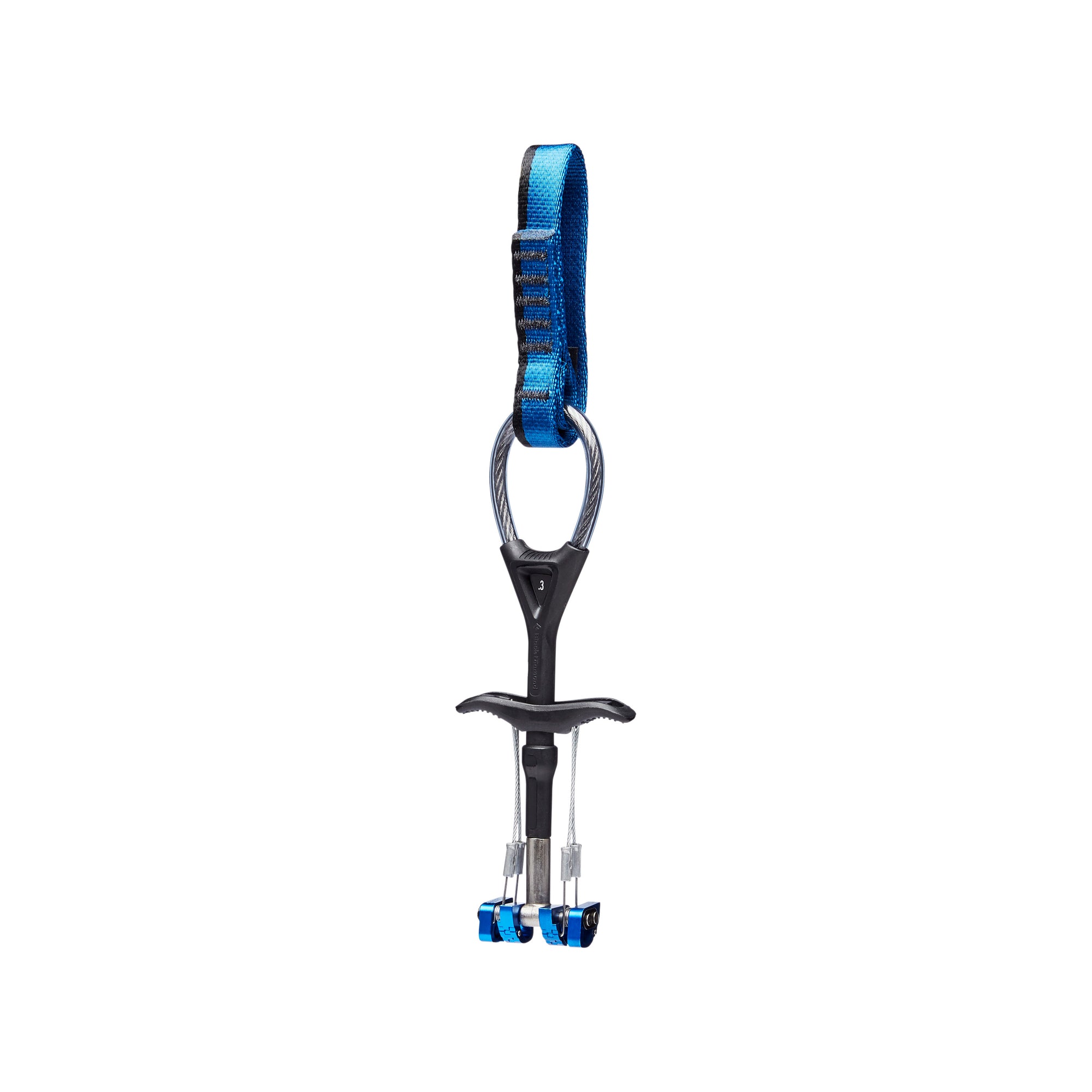
C4 Camalot
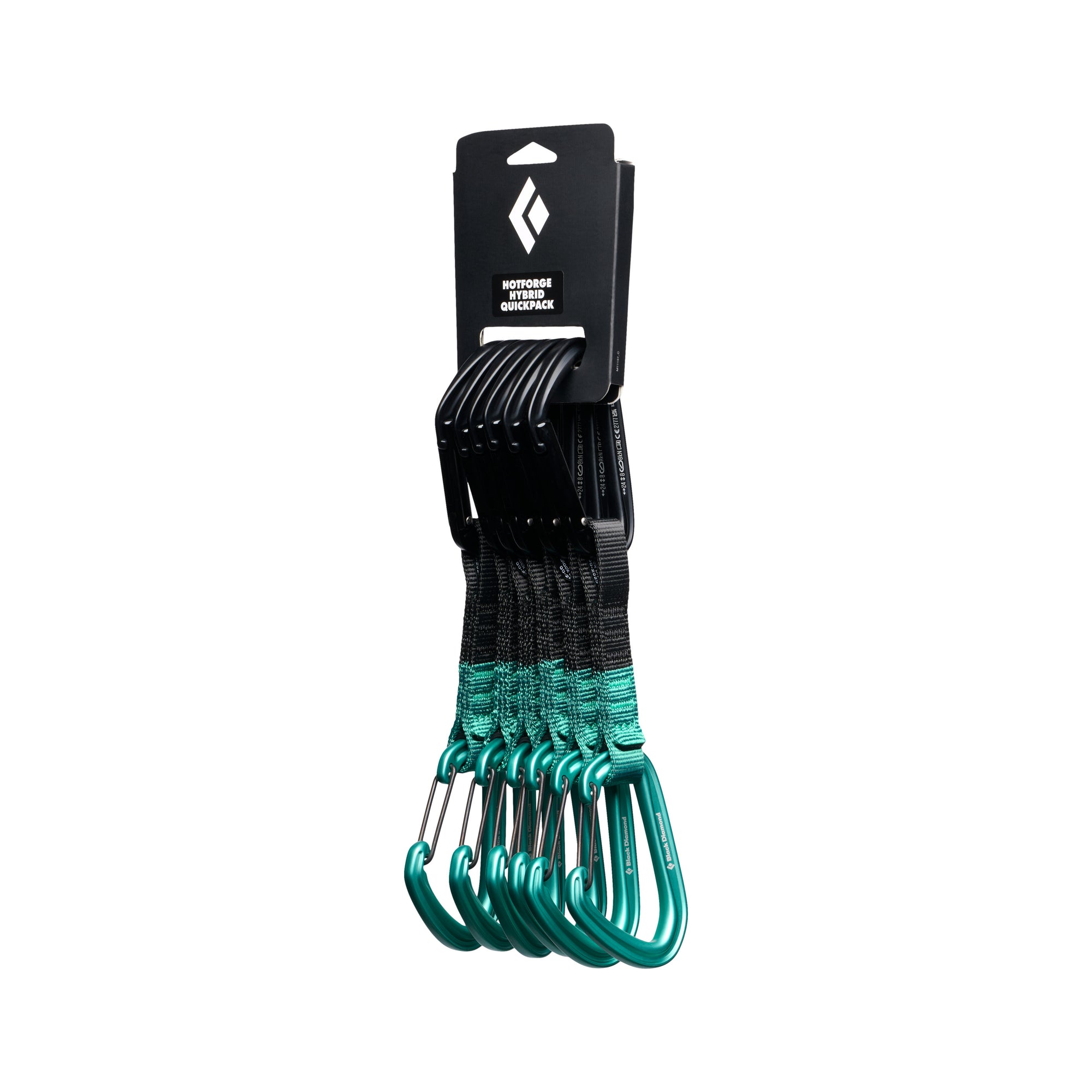
Hotforge Hybrid Quickpack 12 cm
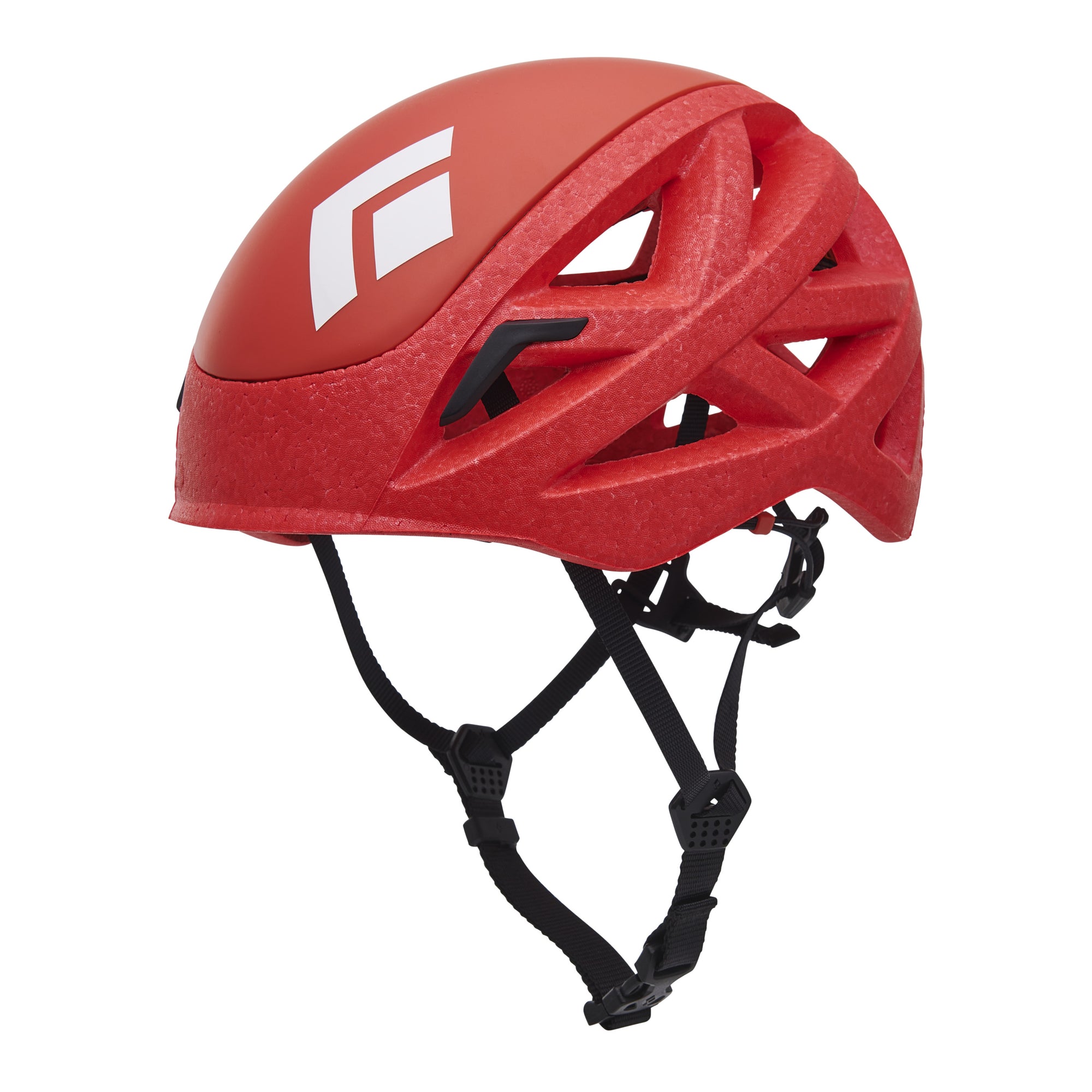
Vapor Helmet
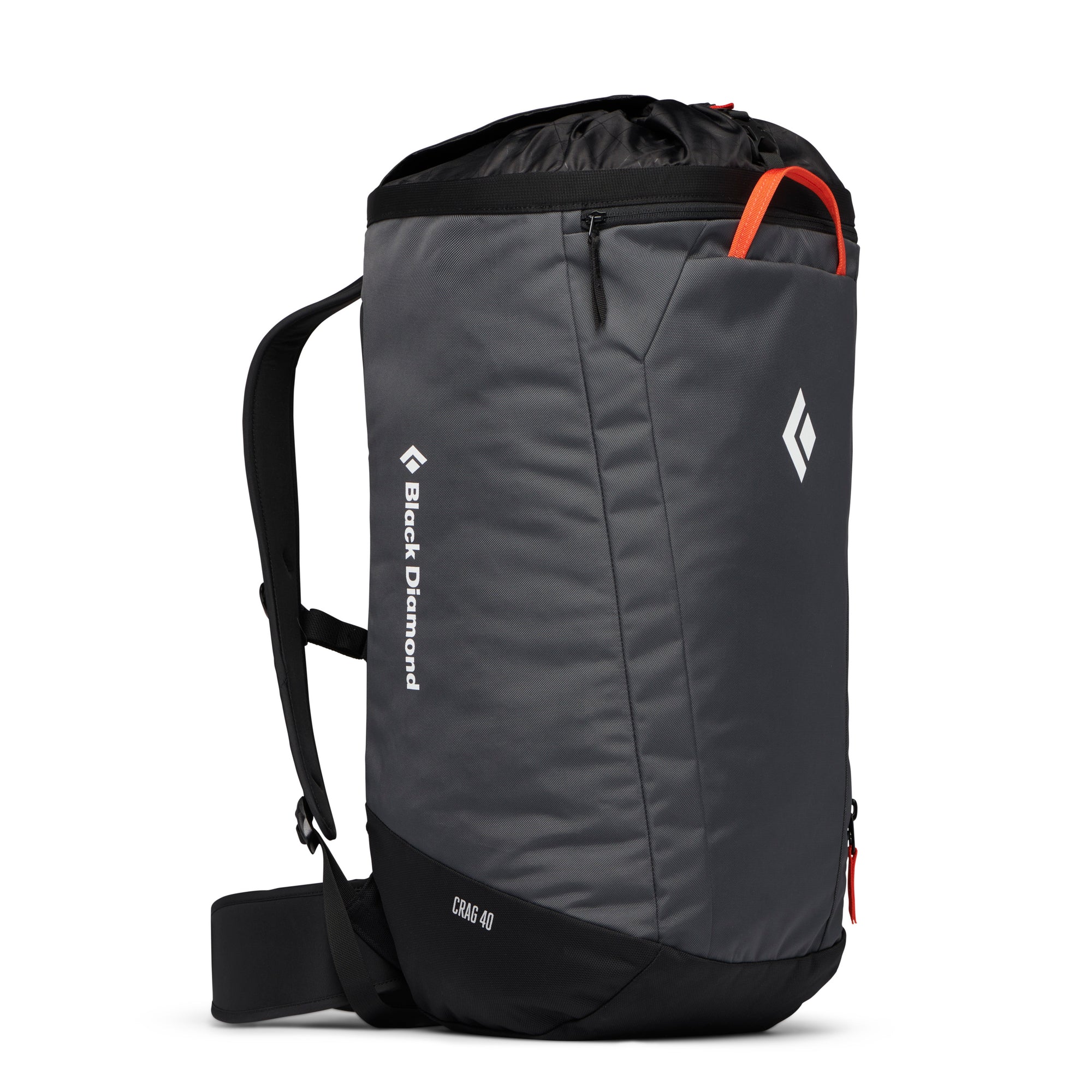
Crag 40 Backpack
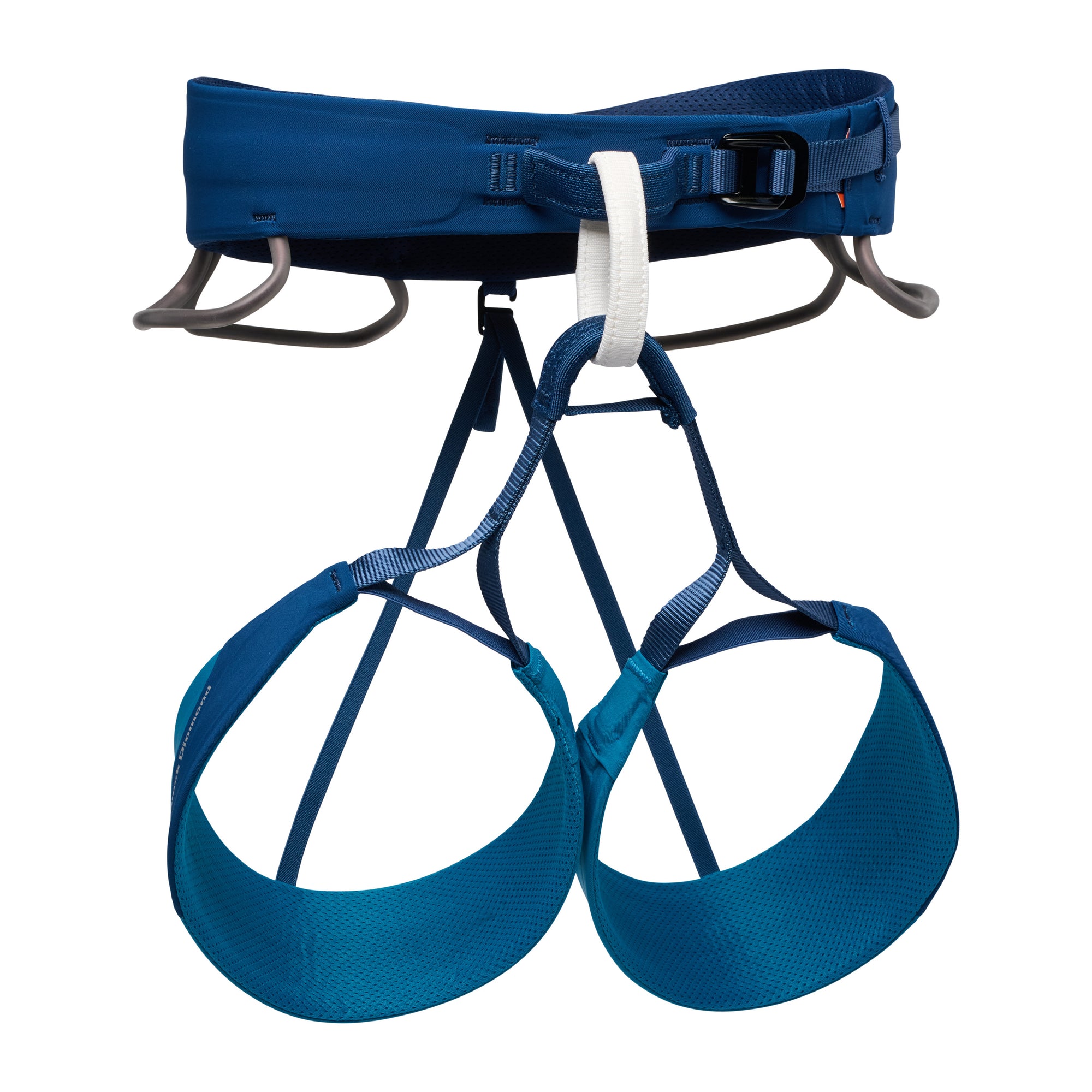
Men's Solution Harness