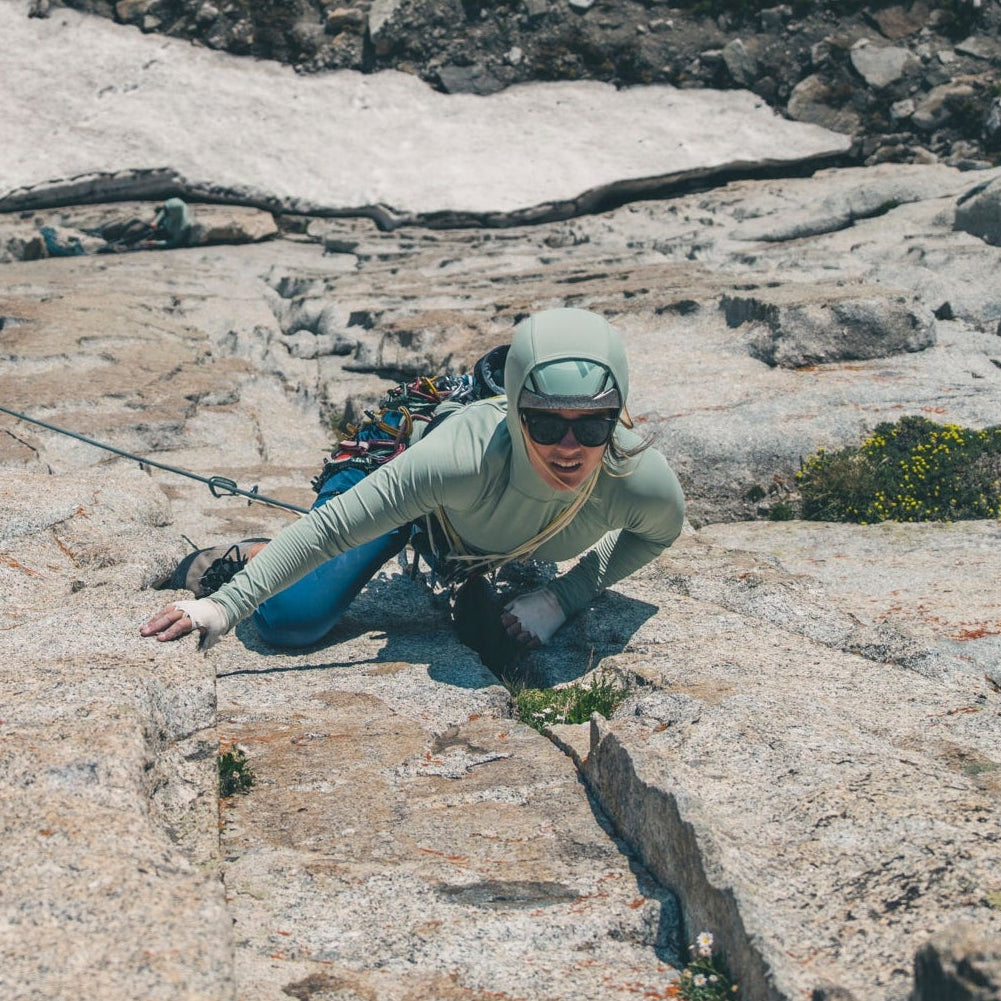
You have a big dream. Maybe it was sparked when browsing through an old issue of Alpinist, or while chatting on the skin track with a friend. It doesn’t matter too much how the dream line, summit, climb, or route was sparked and burrowed into your head. You just know you have an expedition in your future.

But now comes the planning and the questions, and those can be overwhelming. When do you go? How do you get there? What gear do you bring? Do you need a permit? What about porters, a cook, or a local logistics liaison? Are you fit enough to climb/ ski your objective? Who will go with you?

The questions for expedition planning are endless and easy to drown in. Thankfully, we have some of the most experienced mountaineers and expedition athletes on our roster: IFMGA Guides and BD Athletes, Adrian Ballinger and Angela Hawse. Both have extensive mountain resumes—from Adiran’s multiple Everest ascents and many first ski descents of some of the tallest peaks to Angela’s over 30 guided high-mountain expeditions and decades-long career as a climbing and ski guide.

Whatever your dream expedition is, from summiting an 8,000m peak, trying a route on the Trango Tower, or skiing spines in the remote ranges of the world, we say dream big, and Angela and Adrian offer their tips on expedition planning from the idea to loading your bags at the airport. Combined, they have been on over 200 expeditions over the past three decades. Their systems are dialed—let’s get into it.

WHAT IS AN EXPEDITION?

An expedition is more than just a big trip.

“An expedition is launching into a remote, often difficult to access part of the world with an objective or set of objectives that is the goal,” Angela explains. “It’s a summit, several summits, first ascents, descents, or a particular thing you want to achieve or do.”

Something like a month-long trip to Japan to ski the deepest powder of your life or to Chamonix to tick off as many classic alpine ascents as possible wouldn’t be considered an expedition (though they do sound like sick trips).

“There is an ‘out there’ feel to an expedition,” says Adrian. “You are more committed.”

An expedition is singularly focused and requires more planning and logistical management than a big trip. We hope this article can be a starting point for future expeditions, but it won’t answer every question that’ll come up while you’re planning your own. Instead, Adrian and Angela offer and explain a framework you can refine and tailor to whatever your big dream is—from a simpler, well-travelled expedition like climbing in Ruth Gorge, Alaska to seeking an objective in the most remote places in the world.

THE FRAMEWORK

While expedition planning can get complex and there are a multitude of factors to consider, both Angela and Adrian say a straightforward, three-step framework guides their planning.

And both mention how this framework informs their professional and personal expeditions. This means these are well-vetted frameworks learned over many years and through a variety of expeditions that you can follow and adapt to your own planning. For Adrian, he keeps it old-school with a physical notebook and three handwritten categories: To do, to buy, to pack.

“And depending on where I am in the planning process, I will have more under my ‘to do’ section or ‘to buy,’ " he explains. The notebook becomes a living document for Adrian to keep track of the endless list of questions. Getting a permit, finalizing a team, researching weather, routes, basecamp options, managing budgets and funds for the trip? Most of that would fall under ‘to do’. Then a gear list and food options may start under ‘to buy’ and eventually end up in the ‘to pack’ section. It’s ever-evolving.

Angela also keeps it simple. She has three checklists: timeframes, budgets, and equipment. She doesn’t keep it all in a handwritten notebook but usually keeps her Excel documents and notes available across different devices and accessible to her team.

“For personal and group equipment, I have lists in my Notes app on my phone and desktop that sync,” Angela explains. “I often copy and paste these, time and again, customizing them for each trip so I don’t have to reinvent the wheel.”

Angela’s and Adrian’s frameworks function as an outline for the moving parts of expedition planning. You can be finalizing permits or talking with local logistics liaisons while also buying essential equipment, researching routes, and keeping track of a personal training plan all at the same time (and do all of this while staying engaged in work and life). By writing down what needs to be done and when, you are less likely to forget something or miss key dates.

RESEARCH

You start with the framework, but to fill it out, you need to know what questions to ask and what gear to pack; you need to do research. It is vital to understand the scale of the expedition and what scenarios you plan to encounter.

Through solid research, you’ll understand how much the trip could cost, what gear to bring, what weather to expect, what permits are needed (if any), and if so, how hard it is to obtain them, what terrain you will encounter, how much you need to train, and what technical skills you need to be proficient at.

Adrian specifically mentions learning how to use Google Earth and other 3-D mapping apps. These are game changers when it comes to understanding and predicting the terrain you will be in, letting you have a solid visualization of an area before you set foot in a gorge or on a glacier.

Research can be a process of looking for one answer and finding two more questions. The framework helps keep things manageable. And a timeline, which is what we will jump into next, brings the framework and research together.

TIMELINES

Generally, planning an expedition takes nine to twelve months depending on the objectives’ popularity and complexity.

A timeline checklist is something to share with your team as you are going through the planning process. At this point, don’t be afraid to delegate tasks based on people’s strengths.

“I don’t like planning food,” Angela explains, “so I tell someone else on my team to plan that.”

You don’t have to plan it all; lean on your teammates through the process. (And think of it as another opportunity to collaborate and learn about your expedition mates. It’s better to learn people’s likes, quirks, and dislikes before the expedition rather than in a storm on a glacier).

Within the framework highlighted above, Angela and Adrian highlight their planning at 12, 6, 3, and 1 month out from departure.

12 months:

The time for big picture questions and goals (with a few logistical needs)

  • Get your team together: Who are you going with? What is every technical skill level, physical fitness, and what interpersonal dynamics can you expect?

  • Make a budget and plan for fundraising: Expeditions are expensive, and while you don’t need all the funds a year out, you do need a plan for how you are going to cover the cost of the trip. Whether that is a fundraising event, taking on an extra job, or simply saving. And consider how to take a long time away from work. Do you have to quit, or do you have the option to take a leave of absence?

  • Get a coach and/or a fitness plan. It’s time to start training!

  • Know your own technical skill and those of your teammates. Learn and practice the necessary technical skills, whether it is glacial travel and crevasse rescue or complex rope skills and hauling.

  • Understand the permit process and how involved it will be.

  • Mark out key benchmark dates. Think of this as a ‘due date’ for a certain task. Often this is for getting and finalizing permits, but sometimes it can be for buying certain equipment. You can plan around what is seasonal (a company is more likely to have ice tools in stock when it’s ice climbing season) or a seasonal sale.

6 months:

Time to dial in the logistics!

  • Book flights and lodging

  • Buy all gear and equipment

  • Plan food and meals

  • Start organizing equipment

  • Funding should be secured

  • Check in with the team, make sure no one is or gets injured, and everyone is on track with physical and mental fitness

1 month:

Start bringing it all together.

  • Finalize packing: Adrian and Angela organize and pack gear in duffels and packs strategically. Duffels are labelled with what’s inside, and gear is spread out and organized so in case some luggage is lost, you aren’t without key equipment.

  • Start resting; don’t show up to your basecamp already exhausted. Angela saves her carry-on bag until the last minute to add physical copies of important documents and last-minute additions.

PREPARE FOR AND EMBRACE FAILURE

Throughout this article, we have provided a framework, timelines, and tips for success. But failure is part of expeditions, and even perfect planning and preparation doesn’t guarantee success.

“I fail on well over 50% of my personal expeditions,” says Adrian, “I have a lot more stories of what I learned than how I succeeded.”

It took over a decade and two previous failed attempts before Adrian became the first person to ski off the summit of Makalu (8,485 m), the world’s fifth tallest peak. This is just one example. But Adrian says that big expeditions being so challenging, full of complex logistical puzzles, and a high chance of failure, draws him to the pursuit.

Embrace the failure or at least get used to it. Even if you succeed at your objective, things will go wrong throughout the expedition.

Adrian mitigates a cascade of failures by imagining, “What does a ‘perfect’ expedition look like?”

And this is extremely specific, not just stating the objective: “We will summit this peak.” It looks like daily itineraries, meal plans, when and where gear gets used, who your porters and cooks are, and your emergency plan and contacts. When you have your expedition planned to this degree, you have a blueprint that’ll act as a guide for when things inevitably go wrong.

Angela takes a different approach. She prepares for failure by always having a back-up plan.

“What’s your plan B?” she says.

And again, this is not just for if the airline loses your bag, but for having a backup plan for almost every part of your expedition.

Both methods are about preparing for and embracing that something will go wrong on an expedition.

Failure is a part of expeditions. But by planning for it and embracing the uncertainty that comes with spending a long time deep in the mountains, and if you are lucky enough to succeed, standing on a summit is a cumulative experience.

Angela says there is one final question to answer: “Is it a failed expedition if you don’t reach the summit?”

If you plan right and have the right crew, both Angela and Adrian would argue, no. The reward of an expedition is not always the summit, but the experience.

Molly climbs The Thumb on Lone Peak.

ABOUT THE AUTHOR

Molly Malone is Black Diamond Equipment’s copywriter. Her expertise in outdoor apparel and equipment comes from a decade-long love affair with backcountry splitboarding and climbing. She likes low-angle powder laps on high-avy days and sending long desert splitters. 

EXPEDITION GEAR PICKS FROM THE PROS

Shop Collection
Fig
Black
Octane

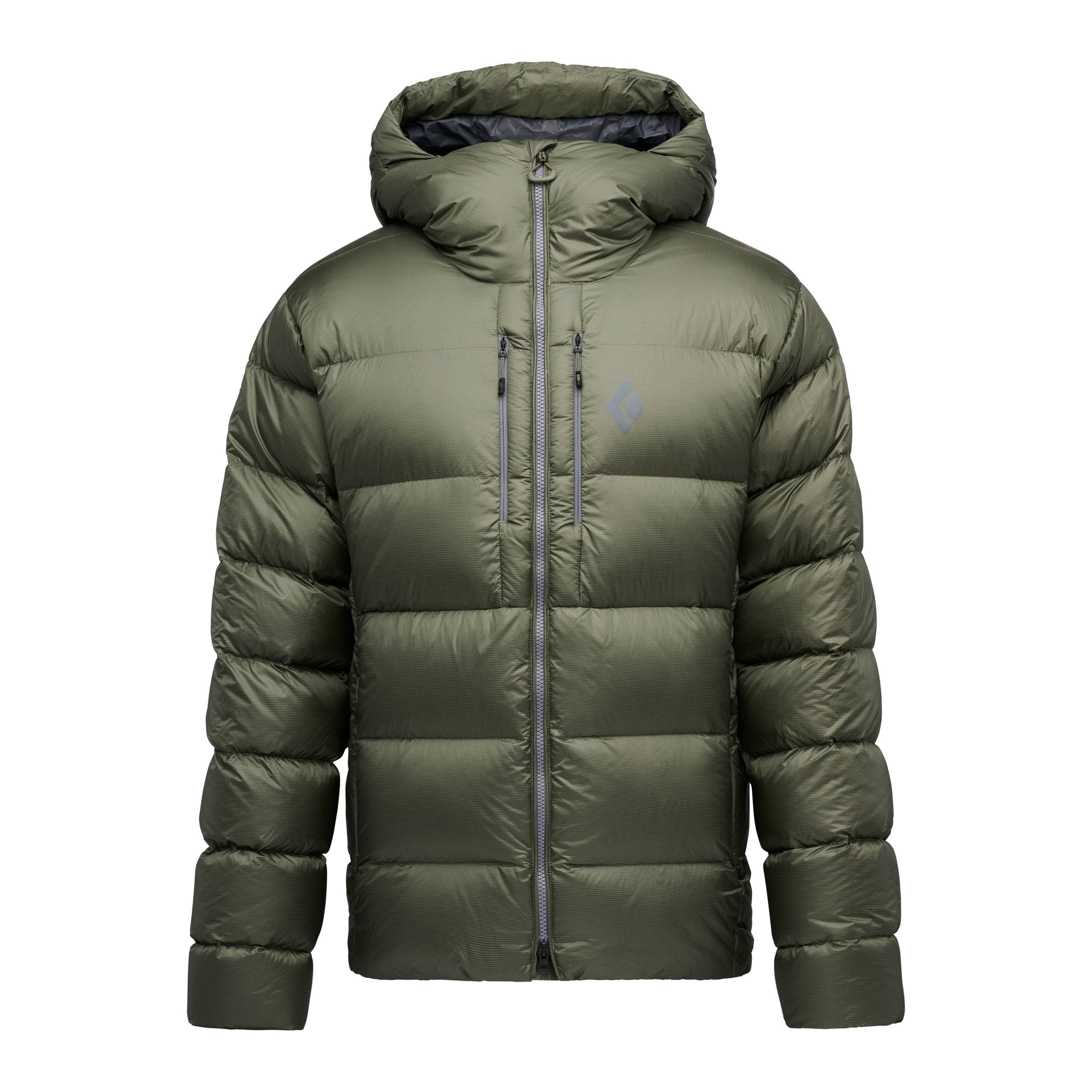
Women's Mission Down 4000 M Parka

Regular price $449.25 USD
Sale price $449.25 USD Regular price $599.00
Tundra
Black
Octane

Men's Mission Down 4000 M Parka

Regular price $449.25 USD
Sale price $449.25 USD Regular price $599.00
Octane
NEW
Octane
Black

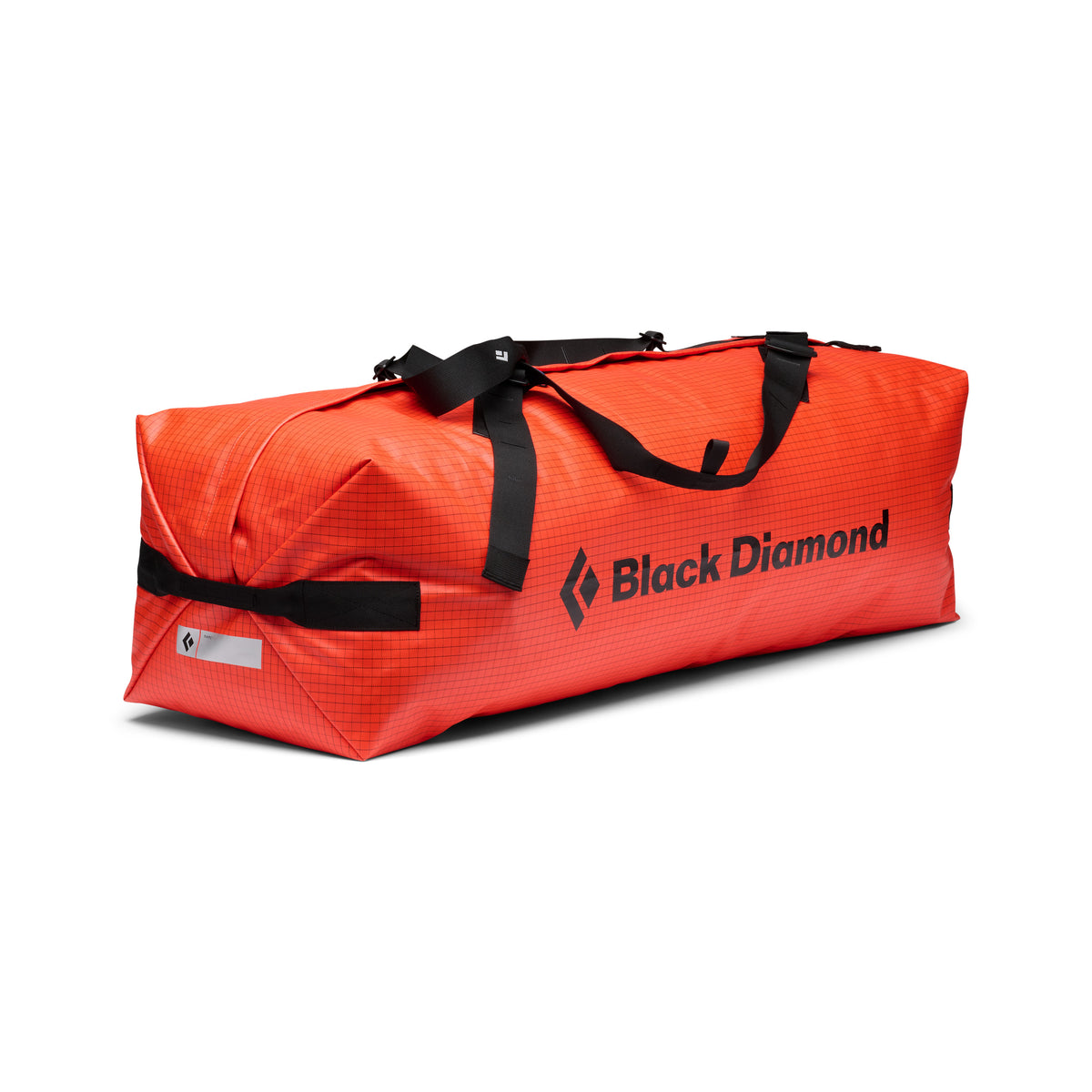
Mission 130 L Duffel

Regular price $175.96 USD
Sale price $175.96 USD Regular price $219.95
Envy Green

Transfer LT Shovel

Regular price $119.95 USD
Sale price $119.95 USD Regular price $119.95
Sky Blue

Mission 3 Person Tent

Regular price $1,399.95 USD
Sale price $1,399.95 USD Regular price $1,399.95
Black-Rye
NEW
Black-Rye
Black
Octane

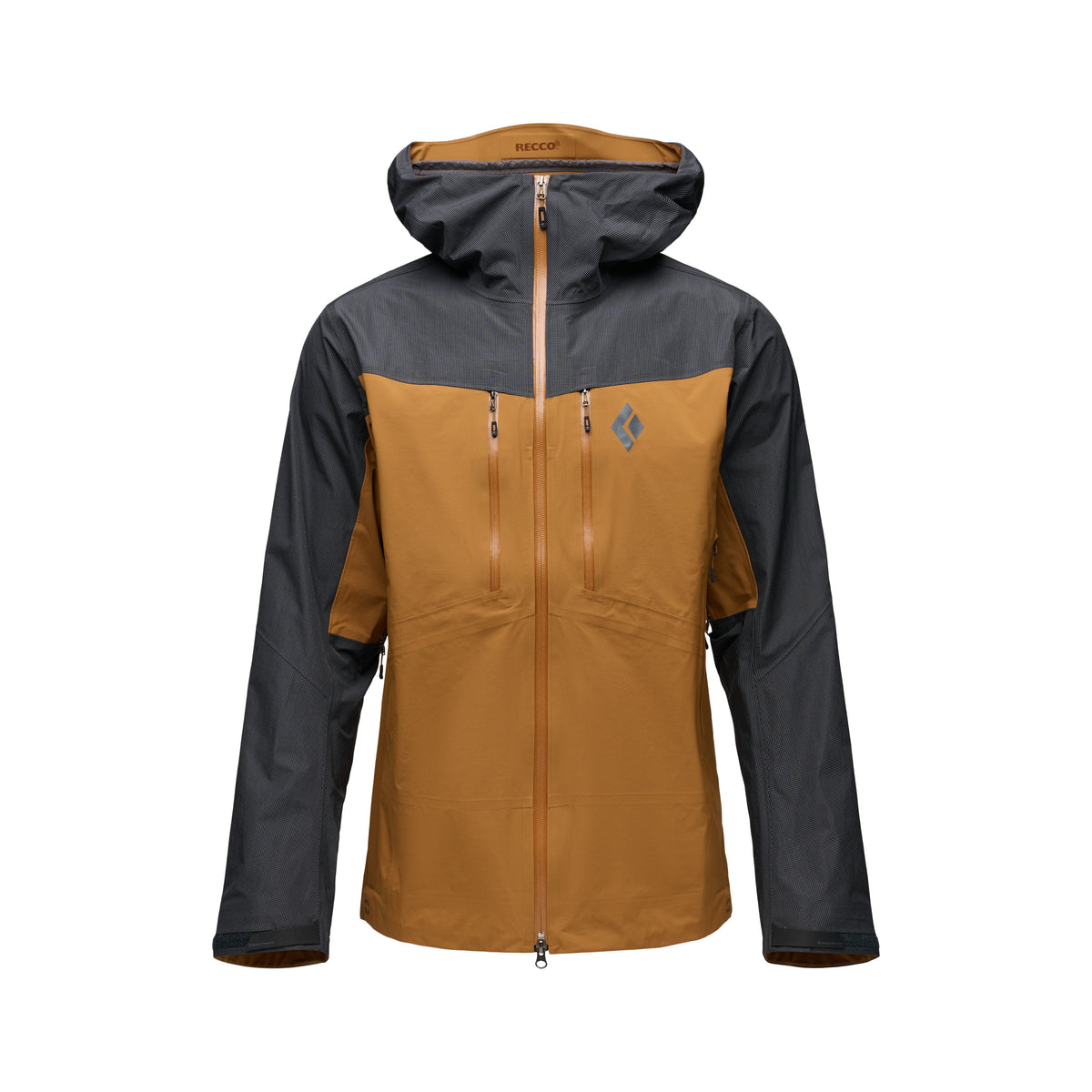
Men's Mission Alpine Shell

Regular price $749.00 USD
Sale price $749.00 USD Regular price $749.00
Black
NEW
Black

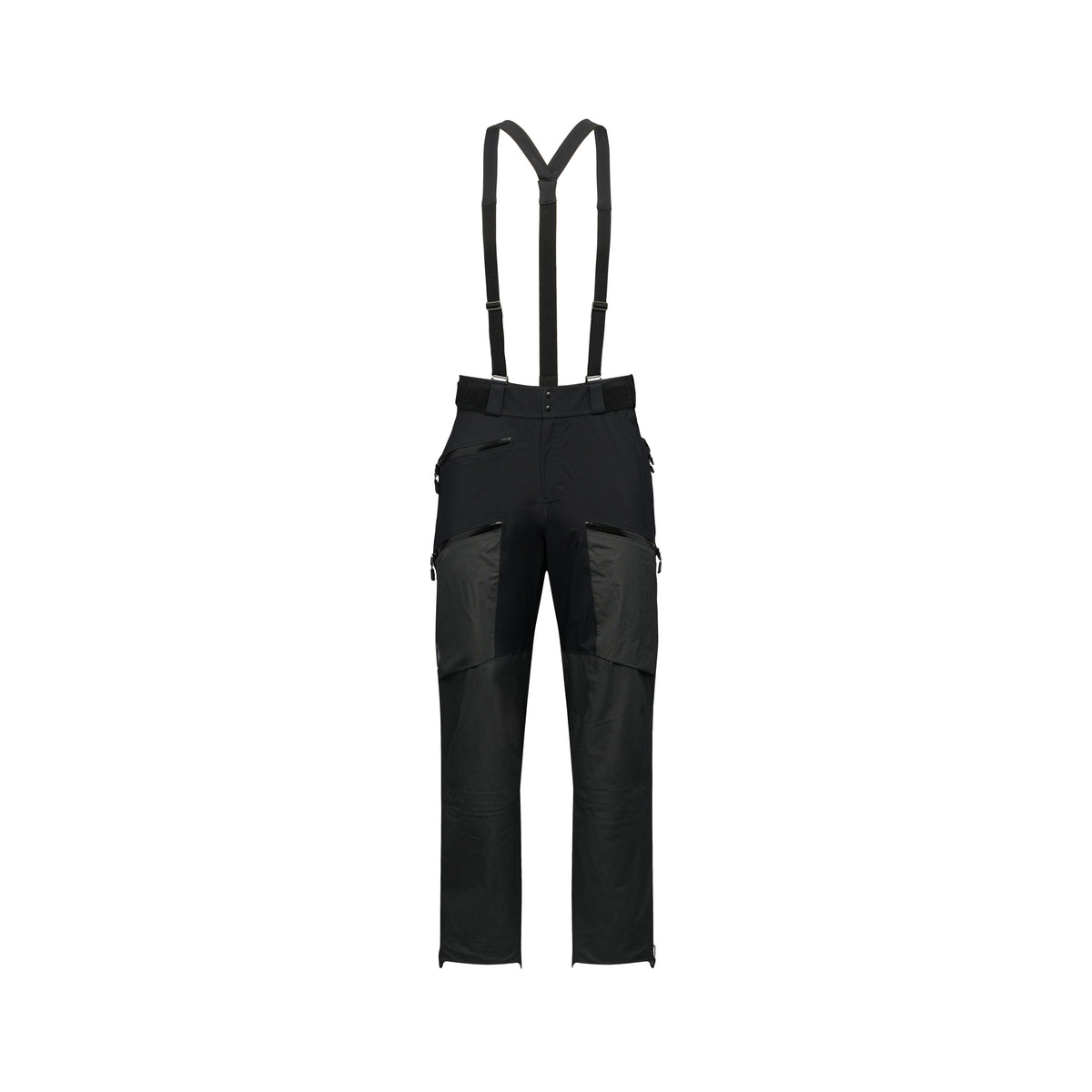
Men's Mission Alpine Shell Pants

Regular price $749.00 USD
Sale price $749.00 USD Regular price $749.00